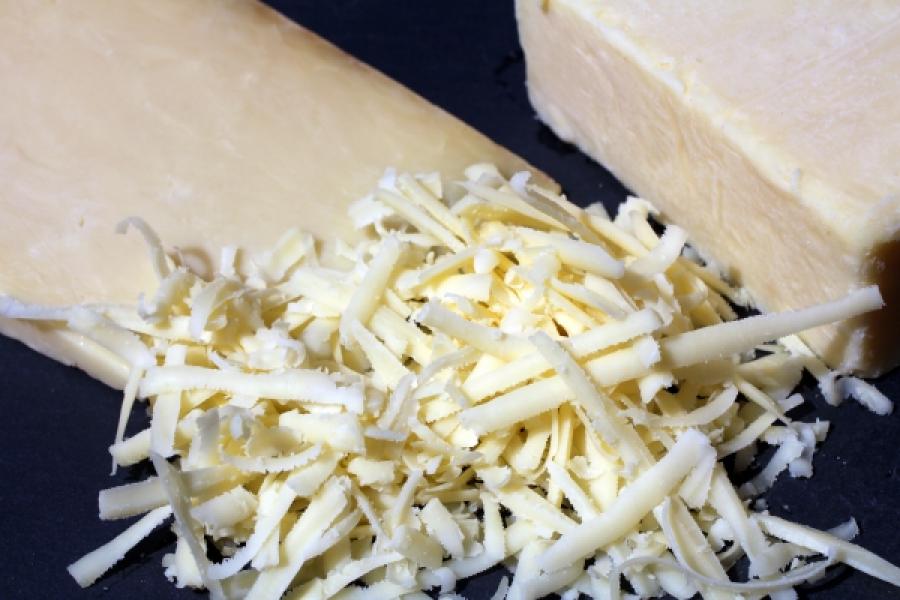
The thousand and one cheeses
Charles de Gaulle is reported to have once said 'How can you govern a country that has 246 kinds of cheese?' But whatever may have been the administrative skills of that old French soldier, he was right about one thing. There are a great many kinds of cheese in the world, a tribute to the inventiveness of cheesemakers.
Related topics
Pairing wine and cheese
Do you wonder why serving cheese with wine is so popular? Cheese is salty and salt enhances the tasting experience for many wines. A medium wine served with cheese may look like a better one and a good wine may appear fabulous; but there is more to it.
Related topics
Gruyère, Swiss masterpiece
Named after the Swiss valley from which it originates in the canton of Fribourg, Gruyère is a work of art. Made from cow's milk fed on grasses on the edge of the Vaudois uplands, it has a sweet flavor that makes it perfect for an appetizer or as an ingredient in the main dish.
Related topics
Cheeses of Mexico
Mention cheese and most people will think of France, maybe Italy, sometimes Germany or Greece. But rarely will the first image brought to mind be Mexico. Yet Mexico has a range of native cheeses that are delightful and even profoundly fine additions to the cheese world. In some cases they are similar to more familiar types. In many instances they are as different as the differing countries themselves.
Related topics
Camembert
Tales of the origin of Camembert abound, all of them full of romantic drama. One popular version attributes its invention to Marie Harel, who allegedly named the cheese after her native village. She, in turn, or so the story goes, gained the recipe from a priest fleeing persecution during the French Revolution in 1790. Marie agreed to hide the fugitive and in return he blessed her with the secret of a magnificent cheese.
Related topics
Brie, cheese of kings
Taking its name from the region from which it originates, Brie is among the most famous of cheeses anywhere. Made in much the same way in France today as it has been since the 8th century, this soft, yellow-white cheese is rightly called the Cheese of Kings. But, one needn't be Charlemagne to appreciate its fine qualities.